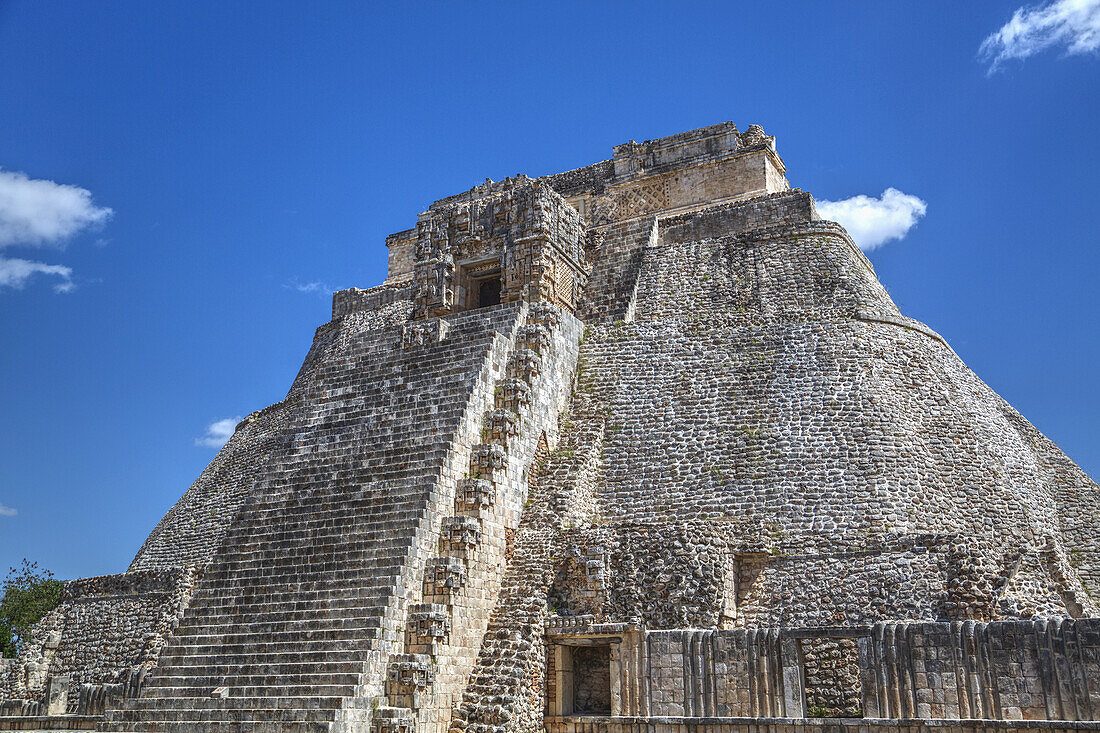
Pyramid of the Magician
This structure is unique for its rounded corners and steep elevation, rising high above the site. It served as a central religious focal point for the city.
View from the main entrance for the best perspective.

Uxmal stands as one of the Yucatán Peninsula's most architecturally refined Maya sites, yet it draws a fraction of the visitors that flood Chichén Itzá daily. Whether the 80-kilometer journey from Mérida justifies your time depends on what you value: sculptural precision, walkable scale, and relative solitude versus name recognition and infrastructure.
Quick answer
Yes, Uxmal is worth visiting if you prioritize architectural detail and a less commercialized experience over brand recognition. The site charges 556 MXN for foreign adult entry and opens daily from 08:00 to 16:00. You'll encounter significantly fewer tour buses than at Chichén Itzá, and the Puuc-style stone mosaics across the Governor's Palace and Nunnery Quadrangle remain among the finest surviving examples of pre-Columbian facade work in Mesoamerica.
The Pyramid of the Magician rises 35 meters with rounded corners—a construction anomaly among Maya temples that defies the standard stepped-platform formula. That singularity extends across Uxmal's core zone. Visiting Uxmal rewards patience with architectural literacy. The Governor's Palace spans 100 meters and carries over 20,000 individually cut stones arranged in geometric friezes—Chaac masks, lattice bands, and serpent motifs that required decades of labor. The Nunnery Quadrangle demonstrates urban planning at a legible scale: four low-range buildings enclosing a plaza, each facade distinct in its mosaic program. Walking the circuit takes 15 minutes; understanding the iconography can occupy hours. The site lacks the cenote drama of Chichén Itzá or the jungle encroachment of Calakmul, but its stone surfaces remain crisp enough to read individual tool marks. For visitors who treat ruins as sculpture rather than photo backdrops, the Yucatán Maya ruins experience here is unmatched. The practical calculus tilts further when crowd density enters the equation. Mid-morning arrival typically means navigating around a handful of guided groups rather than the queue-based flow that defines high-season mornings at more famous Yucatán landmarks. You can position yourself alone at the base of the Pyramid of the Magician for photographs—a near impossibility at comparable structures elsewhere. The trade-off is infrastructure: no on-site restaurants, limited shade structures, and minimal interpretive signage in English. Arrive prepared with water, and consider whether solitude at a Pucc archaeological site compensates for convenience. The question of whether this ancient Maya city merits a visit ultimately depends on your tolerance for unmediated experience. Uxmal offers no curated pathways or ambient music. What it does offer is stone craftsmanship at a level that UNESCO recognized in 1996, encountered at a human pace. If that distinction matters to you, the 556 MXN and the drive become justified expenses.
“The Governor's Palace carries over 20,000 individually cut stones arranged in geometric friezes—Chaac masks, lattice bands, and serpent motifs that required decades of labor.”
Uxmal is distinguished by its Puuc architectural style, characterized by intricate stone mosaics and balanced proportions. These structures represent a departure from the styles found elsewhere in the Maya world, offering a look at the region's specific historical craftsmanship.
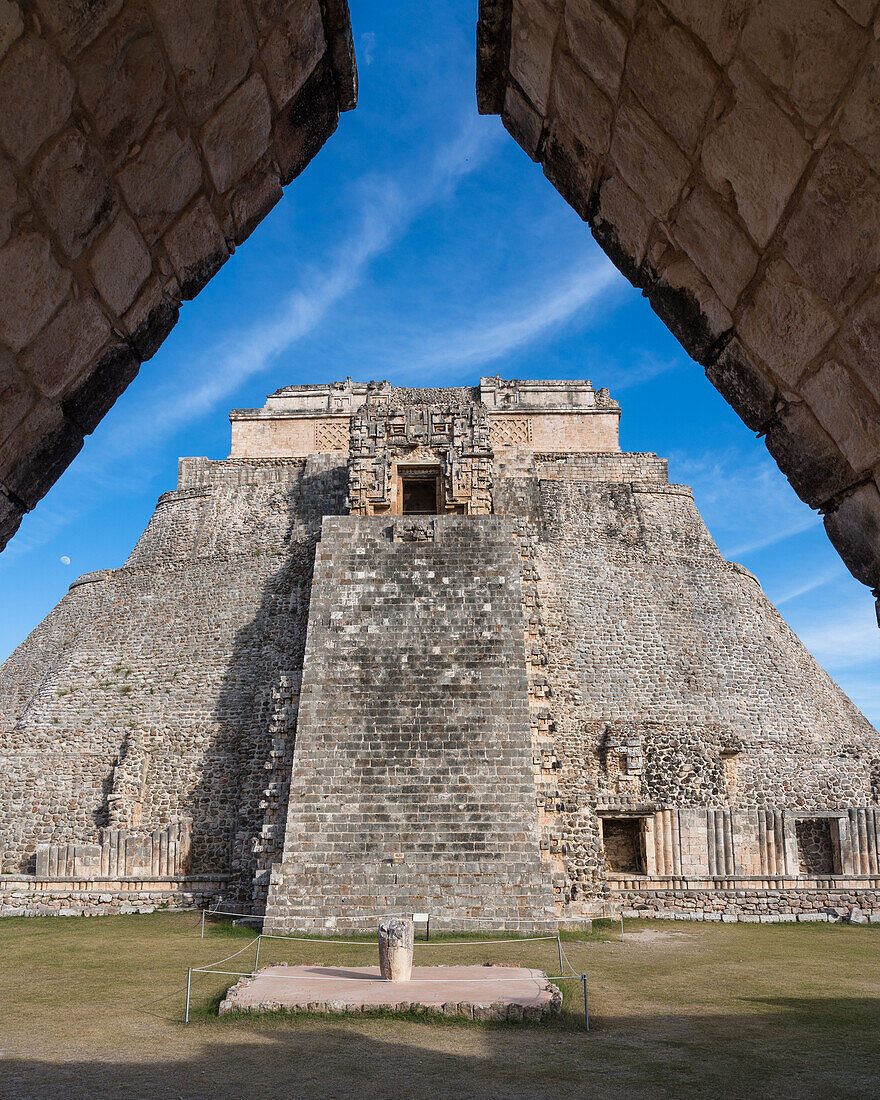
This structure is unique for its rounded corners and steep elevation, rising high above the site. It served as a central religious focal point for the city.
View from the main entrance for the best perspective.
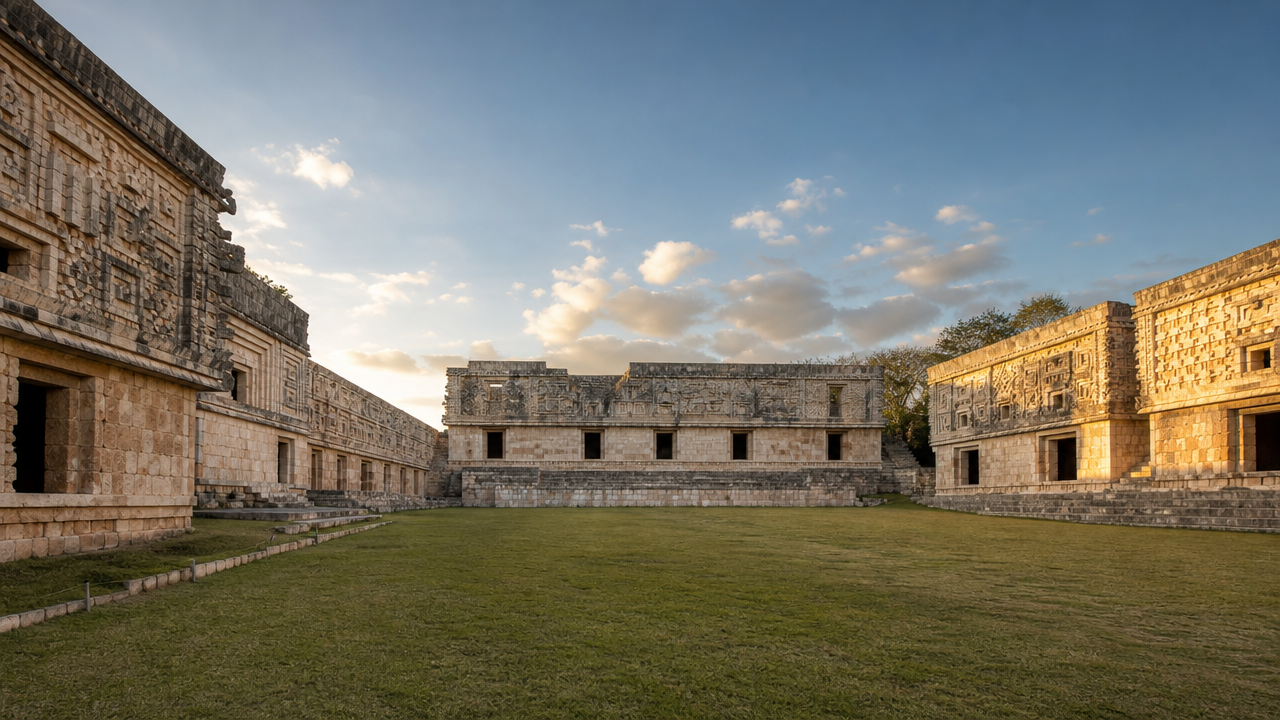
This complex consists of four rectangular buildings arranged around a central courtyard, featuring extensive stone carvings. The buildings display varied architectural details that indicate they served administrative or ceremonial purposes.
Observe the lattice carvings on the upper facades.
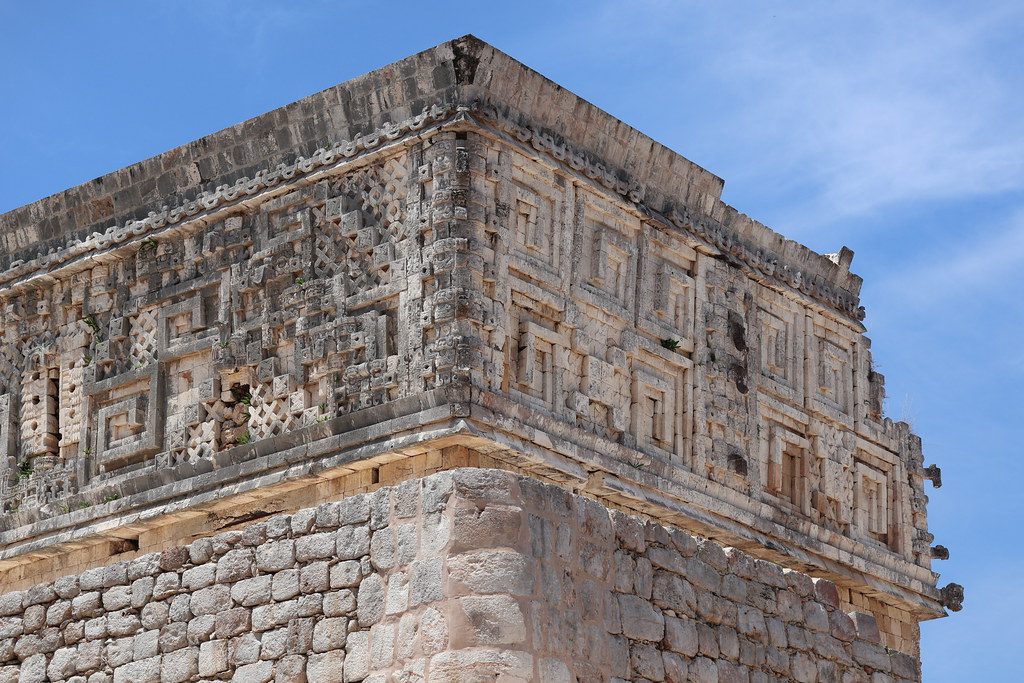
Known for its exceptionally long, horizontal facade, this building is considered a masterpiece of Puuc architecture. The intricate mosaic work includes thousands of carefully carved stones arranged in geometric patterns.
Walk the terrace for the full building length.
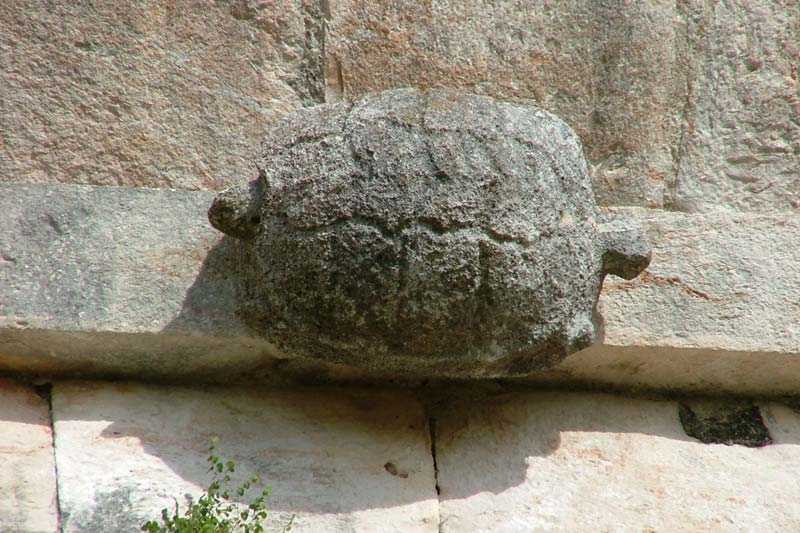
Named for the turtle figures carved along the upper cornice, this smaller building reflects the symbolic importance of nature in local architecture. Its design remains understated compared to larger nearby monuments.
Look closely at the cornice for turtle carvings.
The Uxmal archaeological site is open to visitors daily throughout the week.
Everything you need to know about is uxmal worth visiting
Many travelers find that is uxmal worth visiting because it offers a quieter, more intimate experience compared to Chichen Itza. The site features intricate Mayan masonry and large ceremonial plazas that provide deep insight into the region's history. Guided tours provide historical context that enhances the experience for those wondering is uxmal worth visiting. These tours often include nearby sites like Kabah, which showcases the unique Puuc style characterized by elaborate stone mosaics. This landmark is renowned for its detailed facade work and the iconic Pyramid of the Magician. While there are no formal skip-the-line services, arriving early allows you to bypass potential queues at the ticket windows. Visiting with children is feasible, though the site involves significant walking on uneven terrain and steep structures. Bringing water, sun protection, and hats is essential for families planning their visit. The most common error is arriving during the midday heat when the sun is most intense. Planning your visit for the early morning ensures a much more comfortable exploration. Summer visitors should be prepared for high humidity and occasional rain showers common in the Yucatan peninsula during this season.